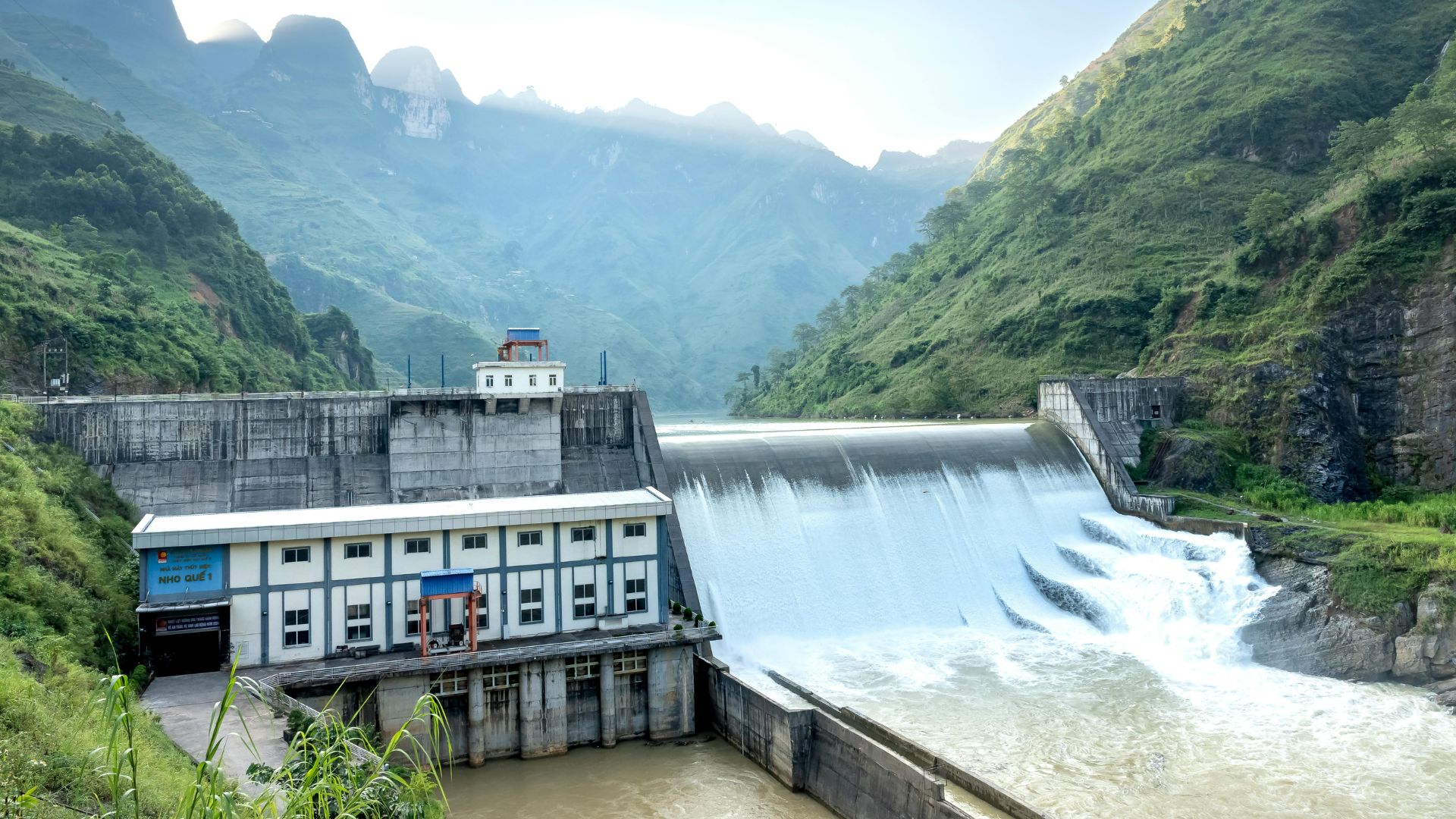
Scientists from the Indian Institute of Science (IISc) and the National Institute of Hydrology have discovered that a major hydropower project in the Eastern Himalayas will remain remarkably resilient to climate change through to the year 2100. By integrating global climate models with hydrological simulations, the researchers found that despite drastic shifts in rainfall and temperature, the Kameng Hydro Electric Project in Arunachal Pradesh, India, will successfully maintain its electricity production targets. This crucial finding offers a profound sigh of relief for regions relying on mountain rivers for clean, sustainable energy as the planet continues to warm.
The research team wanted to understand how global warming would impact run-of-the-river hydropower plants. Unlike traditional dams that rely on massive, environmentally disruptive reservoirs, these facilities use the natural flow and steep elevation drops of mountain rivers to generate electricity. To forecast the future of this technology, the researchers utilised a computer program called the Variable Infiltration Capacity model. This software recreates a digital replica of the river basin, calculating how water moves through the landscape by simulating how much rain or snowmelt is absorbed by the soil versus how much flows over the surface to feed the rivers.
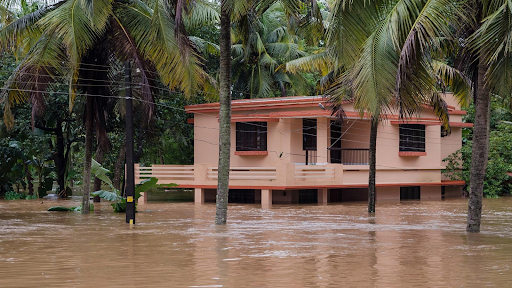
The team fed this model with historical weather data and future predictions from seven different global climate models under two distinct warming scenarios. The data revealed a future with up to 2.8 degrees Celsius of warming, featuring severely drier winters and significantly wetter summer monsoons. Consequently, natural river flows during the dry season could plummet by 80%, while summer monsoon floodwaters could surge massively.
Interestingly, the researchers found that the specific engineering of the hydropower plant acts as a protective buffer against this extreme weather. Because the Kameng facility is designed to operate using a massive vertical drop, known as a head, alongside a relatively low volume of required water, it remains highly efficient. While the plant will generate less power during the parched winter months, the vast surplus of water during the intense summer monsoons will allow it to operate at maximum capacity for much longer periods. As a result, the plant is expected to maintain a steady annual energy output, exceeding the national benchmark for operational efficiency in more than 80% of the years leading up to 2100.
By targeting a large-scale generation facility in the Eastern Himalayas, a region that has immense hydropower potential but suffers from a lack of scientific data, this study provides a highly detailed, transferable blueprint for assessing mountain rivers worldwide. Furthermore, by using an ensemble of multiple climate models, the researchers were able to average out individual model biases, resulting in much more reliable predictions.
However, the researchers note that the computer model uses a simplified approach to estimate underground water flows, which can lead to slight miscalculations during the lean dry season. Additionally, the sheer lack of physical weather stations in the harsh Himalayan terrain means that all computer predictions inherently carry some degree of uncertainty.
As the global community pushes to reduce greenhouse gas emissions and meet the United Nations' Sustainable Development Goal for clean, affordable energy, dependable power is more critical than ever. These findings will allow energy planners and plant operators to adapt their turbine maintenance schedules to the changing seasons, ensuring that our electrical grids remain stable and blackout-free. By proving that smart, site-specific engineering can withstand extreme climate shifts, this study gives policymakers the confidence to continue investing in sustainable, climate-resilient infrastructure for future generations.