In India’s overcrowded hospitals, apart from worrying about life safety, families must also contend with the looming shadow of the humongous medical bills. For decades, the country has grappled with one of the highest Out-of-Pocket Expenditure (OOPE) medical bill rates in the world. OOPE are the direct costs handled by the patient, which are not covered by health insurance or public health facilities. According to the 2021-2022 census, India spends 3.83% of its GDP on healthcare, with 47.1% being OOPE.
Over the past decades, we have witnessed a significant decrease in OOPE expenditure, but it remains a catastrophic burden for millions, especially small-income households and daily wage workers who are incapable of securing life and health insurance. India’s healthcare system has several shortcomings. The uneven distribution of healthcare personnel, a slowly eroding foundation in primary healthcare, a vast and unregulated private sector, insufficient public health funding, insufficient data systems, an unsustainable rise in medication and technology costs due to privatization, and inadequate governance.
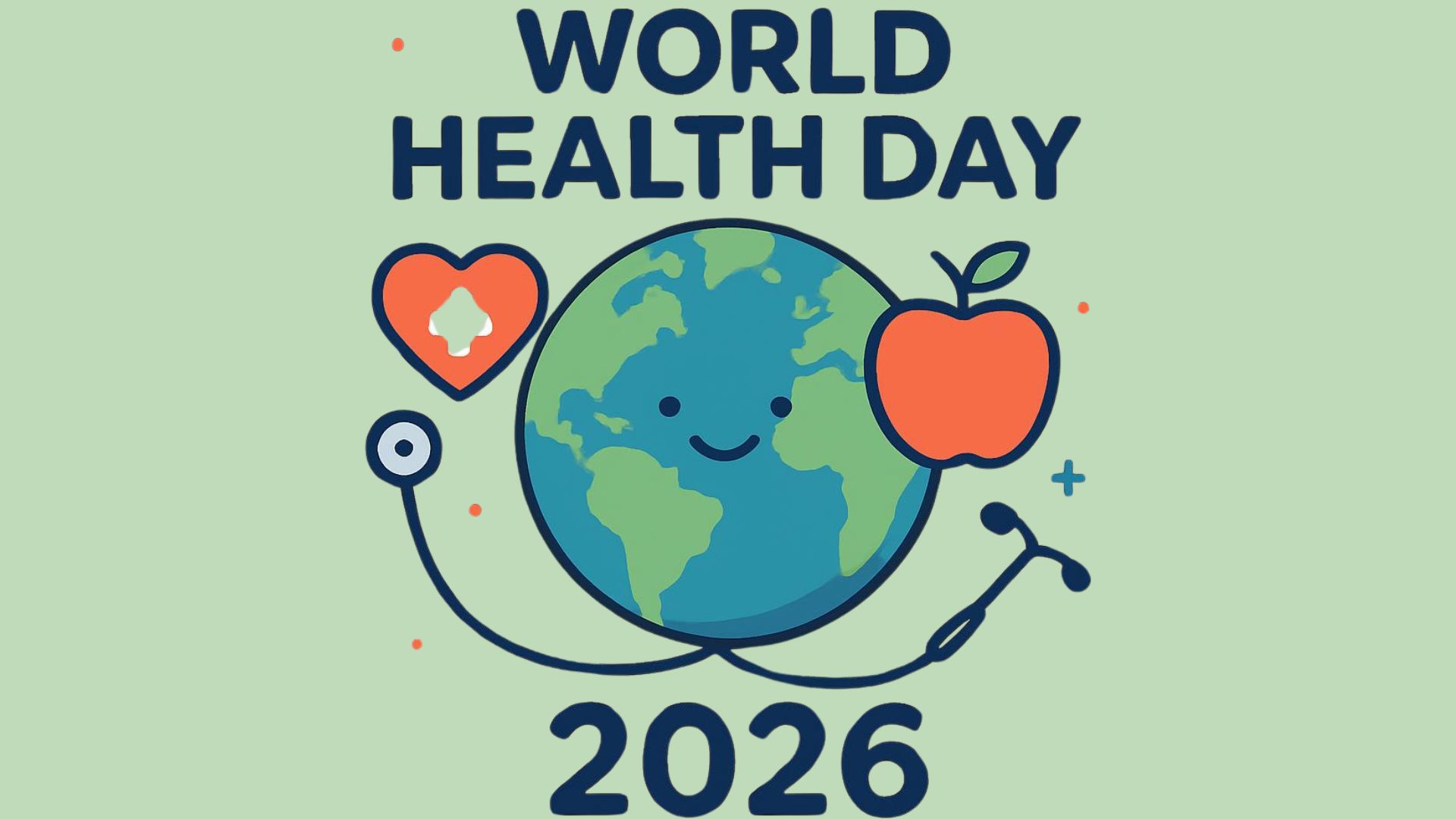
This World Health Day, under the theme “Together for health, Stand with science,” we explore how data-driven research and indigenous innovation are the keys to cutting costs and ensuring health equity for millions.
Strengthening the public health care system
To bridge the funding gap, the Government of India, via the National Health Authority, has deployed strategic schemes designed to lower the barrier to healthcare.
- Pradhan Mantri Bhartiya Janaushadhi Pariyojana: The Power of Generics
The Pradhan Mantri Bhartiya Janaushadhi Pariyojana (PMBJP) tackles the high cost of medication. Typically, new drugs carry a 20-year patent, with costs inflated by research and branding. By providing generic medicines, which share the same chemical composition but lack the branded price tag, the PMBJP could reduce medicinal expenses by up to 80%.
- The Ayushman Bharat Digital Mission
Digitization is the new frontline of efficiency. By creating digital health records for every citizen, the government aims to streamline the patient journey. More than just convenience, this could help us in eliminating the hidden costs of redundant testing and lost medical histories.
As of 2026, PMBJP has established over 10,000 over-the-counter medical units, benefitting millions of OOPE expenditures, especially for chronic conditions. However, the system still faces issues. Generic drug consumption remains low, due to insufficient knowledge, the side effect scare, lack of trust and the reduced publicity.
On the other hand, the Ayushman Bharat Digital Mission has surpassed 860 million registered accounts. However, we lack the shift from enrolment to engagement. As the country progresses towards digital health, education and inclusion would help us in really implementing these systems.
The ROI of Indigenous Innovation: Science as an Equaliser
We often view scientific research as an elite, academic pursuit. However, the data proves it is the most potent tool we have for financial inclusion. With Science, we are supporting the financial resilience of the Indian household. Better science equals lower bills, as indigenous development and made-in-India products support better health facilities at a lower cost.. As India pushes toward 3% of GDP in health expenditure, the focus must remain on translational and experimental research. Below are some examples of startups applying science to make India healthy again.
The diagnostic disrupters: Cutting costs, not quality:
- Voxel Grids, a Bangalore-based firm, recently launched India's first fully indigenous and 1.5-Tesla Magnetic Resonance Imaging scanner. By eliminating the need for liquid helium cooling and expensive specialized air-conditioning, they have reduced operational and installation costs by 40–50%.
- Dozee is an Indian remote patient monitoring system that has developed contactless vitals monitoring that can turn any bed into an AI-monitored unit. This reduces the need for expensive ICU stays and specialized nursing staff, potentially saving families thousands per day.
- HealthPlix and Practo are building the digital backbone for the Ayushman Bharat Digital Mission. By digitizing health records, we would prevent redundant testing, a common hidden cost in India.
- 5C Network connects hospitals in tier-2 and tier-3 cities with a global network of radiologists. By ensuring a turnaround time of under 40 minutes with 99% accuracy, they eliminate the need for patients to travel to major cities for specialized "second opinions," saving significant non-medical travel costs.
As we celebrate World Health Day 2026, we need to focus on investing in a future where a medical diagnosis does not lead to a debt cycle. Additionally, the regulation to achieve 100% efficiency on health insurance would ultimately eliminate OOPE. The Indian startup ecosystem is transforming the laboratory into a shield, proving that through scientific rigour, we can finally protect the Indian pockets while saving Indian lives.