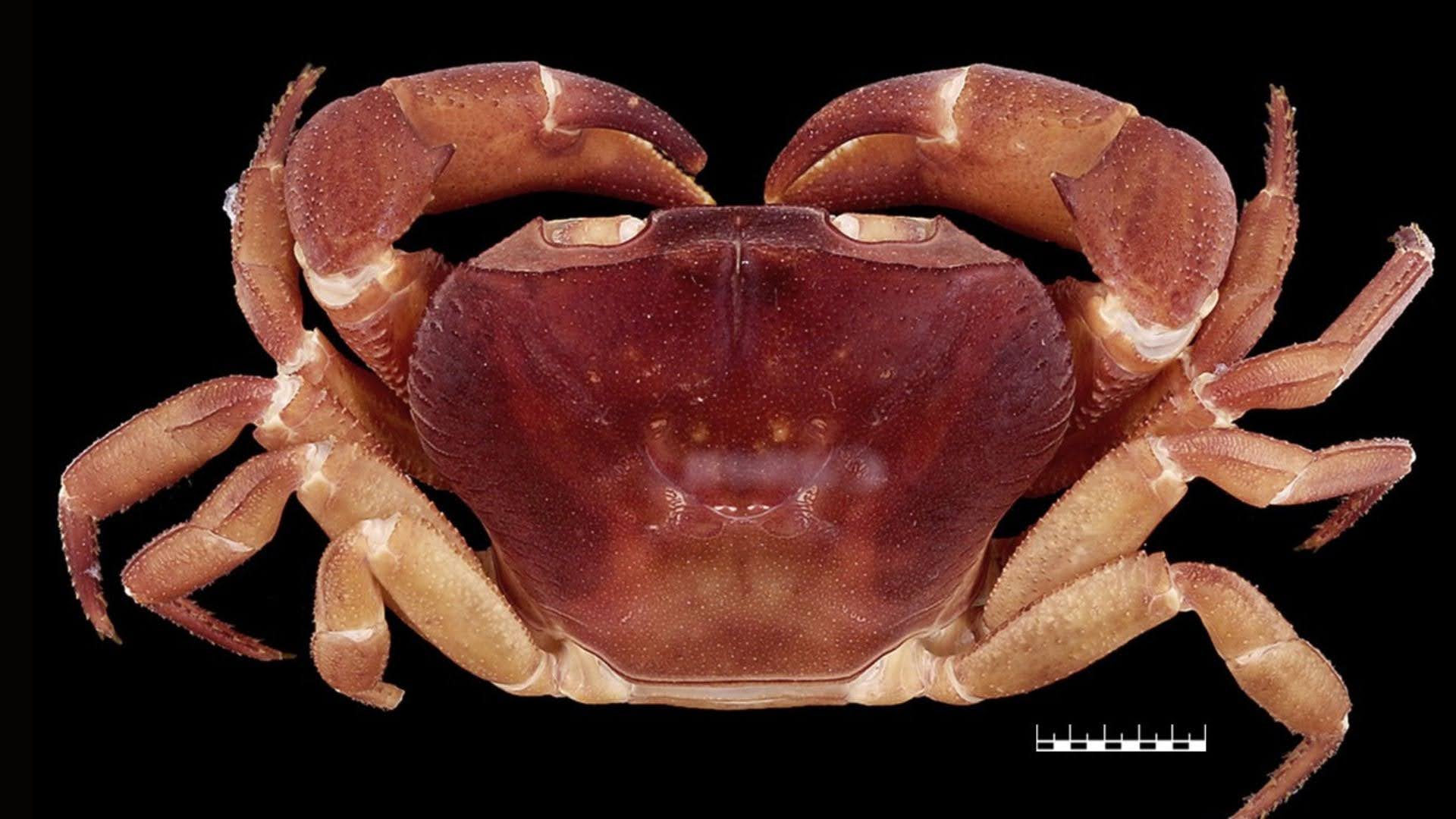
Researchers have recently observed a highly unusual biological phenomenon in a rainforest stream in Silent Valley National Park in Kerala. They found freshwater crabs exhibiting a phenomenon called Gynandromorphism, in which an individual displays both male and female characteristics simultaneously. A team of researchers from the Zoological Survey of India, M.E.S. Mampad College, and the Wildlife Research and Conservation Trust identified three extremely rare gynandromorph crabs belonging to the species Vela carli. This marks the very first time this mixed-sex condition has been recorded in the entire Gecarcinucidae family of freshwater crabs. The finding offers biologists a fascinating glimpse into the complex mechanisms of animal development, sex differentiation, and survival in the wild.
The research team made this discovery after collecting over a hundred crabs from shallow streams and tree holes between July and December 2023. Upon close examination in the laboratory, they noticed something incredibly odd about three specific young crabs. Normally, these crustaceans exhibit strict sexual dimorphism, meaning males and females have distinctly different physical traits. Adult female crabs typically boast a broad abdomen to incubate their eggs, along with specific swimming appendages called pleopods. Males, on the other hand, have a narrow abdomen and specialised reproductive structures known as gonopods. However, the three unusual crabs featured a scrambled yet unique mix of these traits. They had typical male gonopods on one segment of their body, but also displayed a female-like abdomen and female reproductive openings called vulvae.
This bizarre blending of sexes, known as gynandromorphism, is thought to result from a genetic misstep during the crab's very early embryonic development. Sometimes, when cells first divide in an embryo, the sex-determining chromosomes do not separate, leading to an individual that has both male and female cells. In some aquatic animals, similar anomalies can be triggered by human-made chemical pollutants, such as copper or toxic paints, which disrupt their natural hormone systems. Yet, because these crabs were found in a highly protected, high-elevation national park far from urban pollution, the researchers believe this specific case might be a natural genetic mutation rather than a reaction to toxic water.
While the phenomenon has been known, it had never been documented before in the Gecarcinucidae family. Furthermore, alongside detailing the anomalous crabs, the study provided the very first detailed scientific description of the normal female anatomy for the Vela carli species, establishing an essential baseline for future biological identification. However, the researchers note that data on these reproductive anomalies in geographically restricted freshwater crabs remain incredibly scarce and that extensive, multidisciplinary research involving genetics and ecology is still urgently needed to fully decode the causes and consequences of this condition.
The discovery illustrates once again that nature does not always fit neatly into rigid boxes. Phenomena such as gynandromorphs showcase the sheer complexity, adaptability, and fluidity of physical development in the animal kingdom. By examining how a single organism can seamlessly blend male and female characteristics, scientists can unlock profound new insights into the genetic and hormonal blueprints that drive sex differentiation. On a broader scale, these fascinating crustaceans challenge our traditional notions of a strict biological binary. They offer society a deeper, more nuanced perspective on sex and gender, serving as a powerful reminder that the natural world is built on complex, diverse spectrums rather than absolute divides.