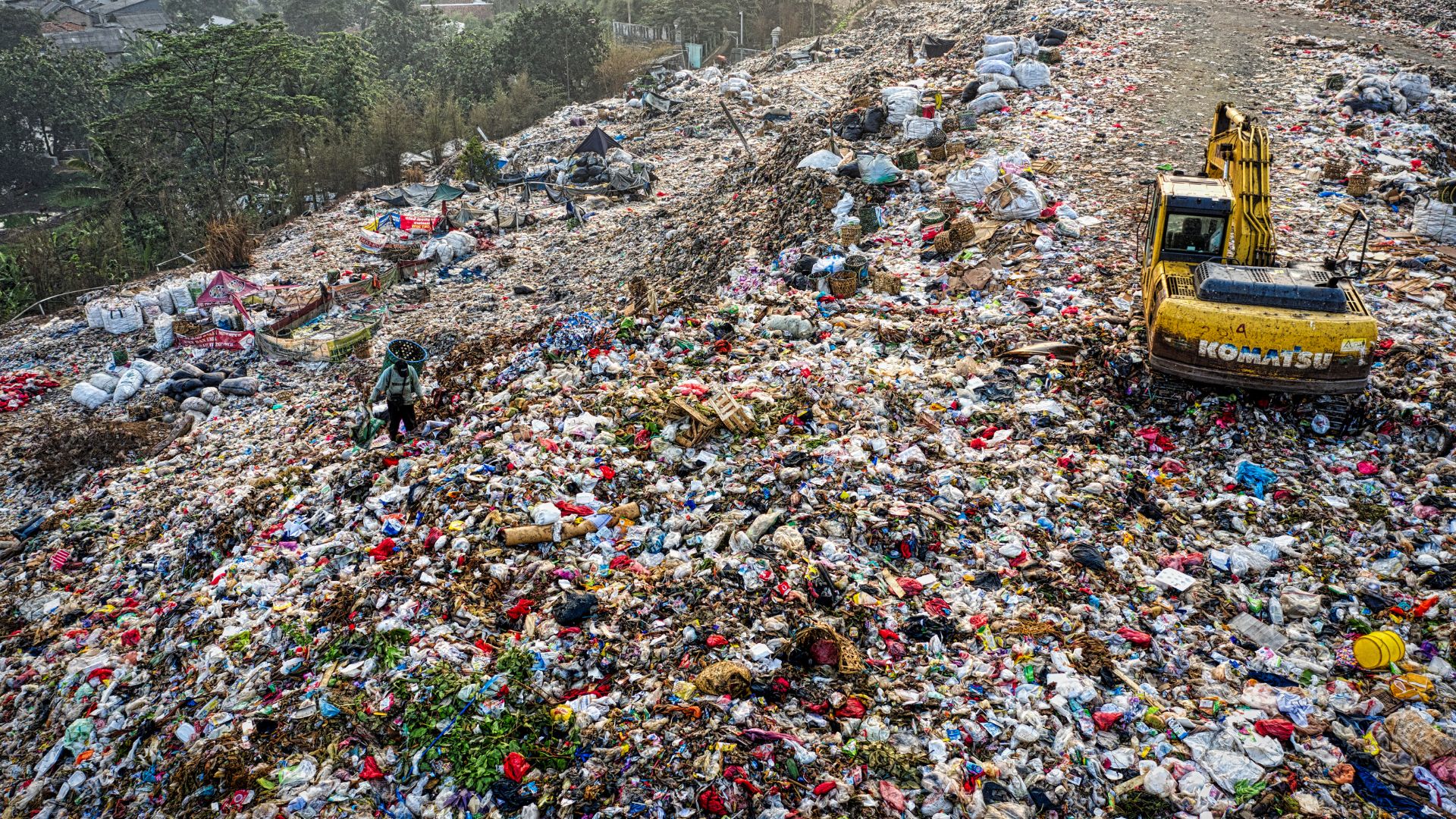
Researchers at CSIR-National Environmental Engineering Research Institute (CSIR-NEERI) have found a looming environmental crisis. Their new study shows that decades-old rubbish dumps are heavily contaminating the nation's soil, water, and air with microplastics. Their review of recent scientific literature shows that massive mountains of unmanaged legacy waste act as a relentless source of tiny, toxic plastic particles spreading across terrestrial ecosystems. The study highlights an urgent need for government action as these plastics migrate into local agriculture and drinking water, directly threatening food webs and human health.
The researchers reviewed a hundred peer-reviewed studies published between 1998 and 2025. They gathered and analysed existing data from major scholarly databases to track the journey of microplastics. They mapped how larger plastic items, like bags, bottles, and discarded textiles, break down over decades under the harsh Indian sun, physical pressure, and microbial action. Once fragmented into microplastics, which are synthetic particles smaller than five millimetres, they become highly mobile. Monsoon rains then wash these particles deep into the soil and groundwater through a highly toxic liquid runoff known as landfill leachate. Simultaneously, strong seasonal winds lift lightweight plastics into the atmosphere, causing plastic dust to fall on distant cities, coastal areas, and agricultural lands. The study found that common packaging plastics like polyethene and polypropylene are the most frequent culprits, dangerously polluting the compost and soils used to grow food.
This study brings together scattered data on soil, air, water, and waste-derived compost and provides an interconnected picture of how landfills continuously leak pollutants into their surroundings over time. However, the researchers identified a significant geographical gap in available data, particularly an absence of monitoring in central Indian states. The authors also pointed out that current national policies, such as the ambitious Swachh Bharat Mission aimed at clearing these dumpsites, do not explicitly regulate or monitor microplastic emissions, meaning the physical clean-up process itself could accidentally disturb and release more particles. The team also note the lack of standardised methodologies for sampling and measuring microplastics in complex, muddy environments like soil and compost. While global monitoring guidelines exist, they were primarily designed for high-income nations with simpler waste streams and different climates, making them difficult to apply to India's highly mixed and degraded legacy waste.
By documenting the spread of microplastics into agricultural soils and drinking water sources, the study equips urban planners and environmental agencies with the knowledge to design safer landfill-clearing strategies. Integrating microplastic monitoring into national clean-up initiatives will be vital to safeguarding the nation's food security, ensuring clean drinking water, and building truly sustainable communities for future generations.