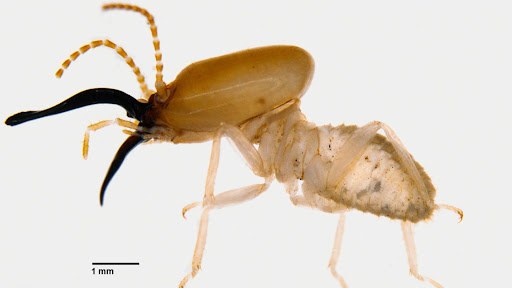
Researchers have discovered a new species of soil-dwelling termite within the lush forests of West Bengal. Uncovered during an exploration of the Chapramari Wildlife Sanctuary, the insect, named Pseudocapritermes novus, was identified through a mix of traditional physical examination and DNA testing, shedding new light on the region's biodiversity. A collaborative team of researchers from the Zoological Survey of India, the University of Calcutta, and the Church Missionary Society College made the discovery.
During a field survey, the team collected the tiny insects from the soil beneath a fallen Sal tree log. To confirm it was a new species, the scientists used an integrative taxonomic approach, examining the termite's physical features under a microscope and its mitochondrial DNA, specifically the 16S rRNA gene, to securely place it in the termite family tree.
The new termite stands out from its closest relatives in the unique shapes of its mouthparts and body armour. Like others in its group, this insect belongs to a special club of termites known for their asymmetrical, snapping jaws, which they use to defend themselves or raise an alarm by producing a loud clicking sound. However, compared to its closest known cousin, P. bhutanensis, the newly discovered species boasts a strongly bent left jaw with a slightly incurved tip, a more rounded swollen section below its beak, and a longer, wider postmentum (the lower part of its mouth). It also features strong, prominent spurs on its front legs. Compared with another close relative, P. tikadari, the new insect has a noticeably wider head.
The researchers chose the name Pseudocapritermes novus, drawing on the Latin word 'novus', which simply means new. While a new termite might sound like bad news for a homeowner, these specific insects are actually unsung heroes of the forest floor. Soil-feeding termites play a crucial role in enriching the earth by feeding on soil and humus, making them vital indicators of an ecosystem's soil health and fertility. This discovery brings the total number of Pseudocapritermes species found in India to five.
Interestingly, the team found P. novus living peacefully right alongside a completely different termite species, hinting that they might be inquilines, creatures that cohabitate in the nests of others, adding yet another layer of intrigue to the complex social lives of these tiny architects. However, more studies are needed to confirm this behaviour.