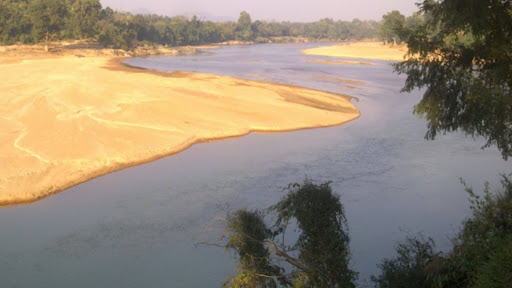
Microscopic plastic pollution is infiltrating the pristine habitats of India’s Bhitarkanika Wildlife Sanctuary, carrying a toxic cargo of heavy metals into the Brahmani River. A collaborative study by researchers from Auburn University, Nalanda University, Manipal Institute of Technology, The Energy and Resources Institute (TERI), and Nagaland University has revealed that microplastics are accumulating in the river’s sediments, acting as chemical sponges that absorb dangerous pollutants. This contamination directly threatens the sanctuary's ecologically sensitive delta, which is home to saltwater crocodiles, Olive Ridley turtles, and resident elephants.
The researchers collected twenty sediment samples along a 22-kilometre stretch of the Brahmani River. Back in the laboratory, they dried the mud and used a heavy liquid solution of zinc chloride to make the plastic particles float to the surface, while breaking down natural organic matter with hydrogen peroxide. Using high-powered stereomicroscopes, they sorted the microplastics by size, shape, and colour. They verified that the particles were indeed plastic using a hot-needle test, checking whether the materials melted or deformed like synthetic polymers.
To determine which types of plastics were present, they used Fourier Transform Infrared Spectroscopy, which bounces infrared light off the particles to identify their unique chemical fingerprints. They found that microscopic clothing fibres, specifically made from a plastic called polyamide, were the most prevalent form of pollution. Even more alarmingly, when the team used a scanning electron microscope equipped with an X-ray spectrometer, they detected toxic heavy metals, including chromium, copper, zinc, arsenic, cadmium, and lead, clinging directly to the surface of these plastics.
Microplastics are notorious for acting like chemical sponges in waterways, soaking up dangerous pollutants from their surroundings. This new research marks the first investigation to assess the specific ecological risks of microplastic pollution in the Brahmani River, comparing how these particles accumulate in dense, trapping mangrove root systems versus open riverine sites. By establishing a crucial environmental baseline, this study fills a major knowledge gap regarding how pristine, protected zones in the region capture pollutants flowing downstream from human settlements.
The researchers, however, note that our understanding of how heavy metals naturally bind to microplastics in the wild remains limited and warrants further exploration. Specifically, the team noted that natural bacterial slimes, known as biofilms, readily form on river plastics. These biofilms likely alter the effectiveness with which plastic particles absorb toxic metals, representing a complex biological and chemical interaction that warrants further scientific investigation.
Nevertheless, the work serves as a vital wake-up call for our modern society. By providing concrete evidence of invisible pollution entering a highly protected wildlife sanctuary, the study equips conservationists, policymakers, and government officials with the benchmark data needed to draft stricter waste management regulations. Protecting the Brahmani
River from further plastic and chemical contamination not only preserves the breathtaking biodiversity of the region but also safeguard the health of local communities and the broader marine environment into which these rivers eventually flow.