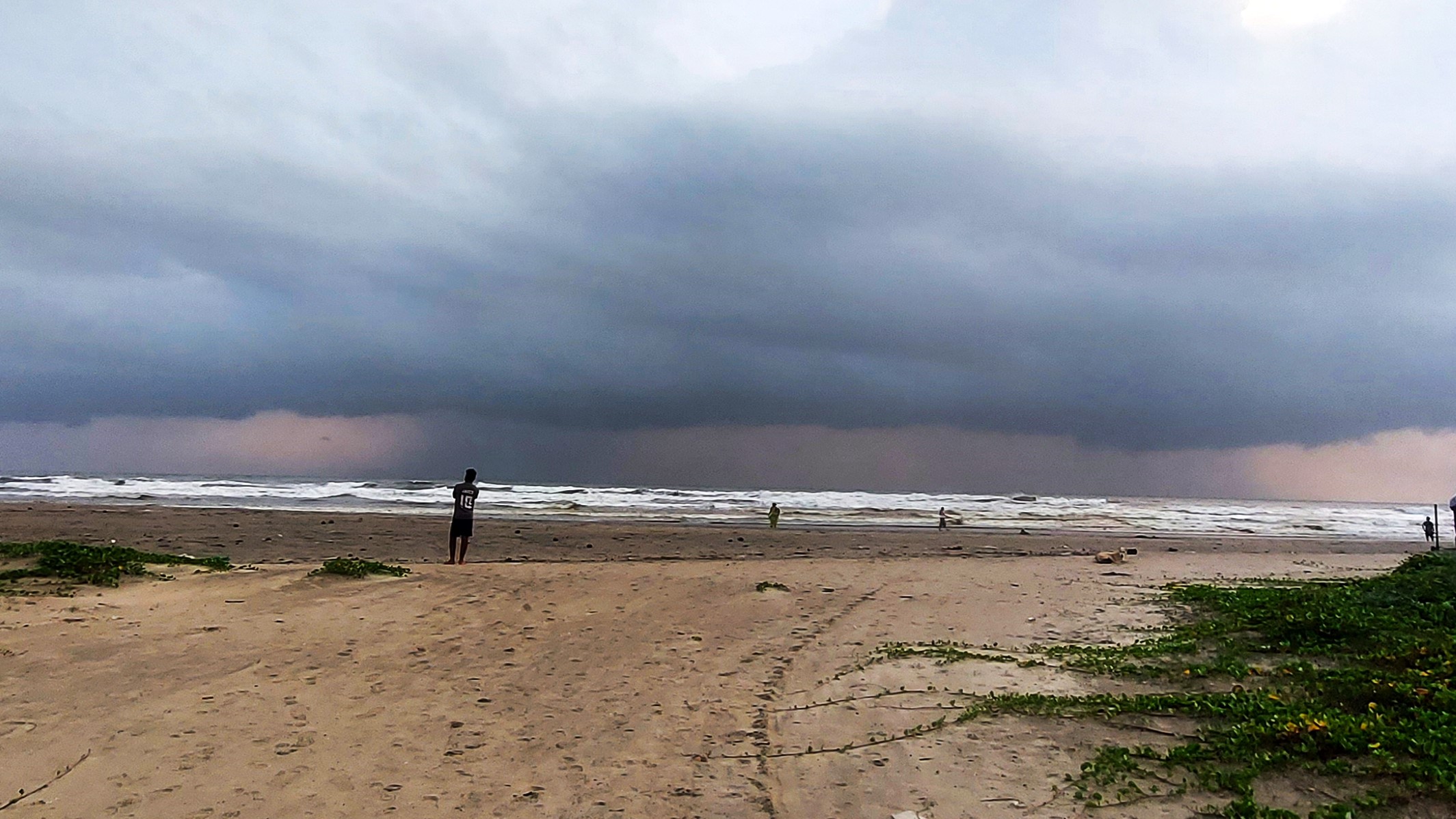
In 2019, the Arabian Sea witnessed a meteorological onslaught that defied historical norms, seeing five significant tropical cyclones and nine distinct marine heatwaves in a single year. A team of researchers from the Indian Institute of Technology Bombay and the Indian Institute of Remote Sensing has now pinpointed the cause as a record-breaking extreme positive phase of the Indian Ocean Dipole (IOD).
IOD is a phenomenon where sea-surface temperatures oscillate between the western (warmer, near Africa) and eastern (cooler, near Indonesia) tropical Indian Ocean. This climate phenomenon acted like a giant internal pump, driving massive amounts of heat into the deep waters of the Arabian Sea and creating a buffet of energy that allowed storms to form and intensify back-to-back. The new study shows that the ocean’s surface temperature reached a historical record, exceeding its previous index by 2.1°C, providing the perfect conditions for the most intense cyclone season the region has seen in decades.
The team analysed over 40 years of satellite data and ocean reanalysis records, tracking variables ranging from sea surface temperatures to wind speeds and subsurface heat content. They focused on how the atmosphere and the ocean were linked. During the 2019 event, unusual easterly winds pushed warm water toward the western Indian Ocean, triggering what scientists call Kelvin waves. These waves travelled along the equator and eventually reflected off the African coast, deepening the warm-water layer in the Arabian Sea. This created a thick barrier layer of hot water that reached depths of up to 200 meters. Because this heat was trapped beneath the surface, it acted as an insulating cap, preventing cooler deep water from rising and keeping the surface hot enough to fuel a succession of storms, including Vayu, Hikka, Kyarr, Maha, and Pawan.
Cyclones generally require sea surface temperatures to be at least 26°C to form, as they draw their power from the evaporation of warm water. In 2019, the marine heatwaves, which are prolonged periods of anomalously hot ocean temperatures, acted as precursors to the cyclones. The researchers found that these heatwaves were vertically coupled, meaning the heat extended deep into the ocean. This deep reservoir of warmth meant that even after a cyclone passed through and churned the water, the ocean stayed hot enough to trigger the next storm almost immediately. Furthermore, a decrease in vertical wind shear, the change in wind speed at different altitudes, allowed these storms to maintain their structure and grow into Very Severe and Super cyclonic storms.
While earlier works often attributed 2019’s storminess to a weak El Niño, this study proves that the extreme Indian Ocean Dipole and its impact on subsurface heat were the primary drivers. It provides a more three-dimensional view of how the ocean stores energy.
As global temperatures rise, the frequency of these extreme ocean events is expected to increase by up to 64%. By understanding the synergy between deep-sea heatwaves and cyclone formation, meteorologists can improve early warning systems. This knowledge helps coastal communities in India better prepare for devastating landfalls, potentially saving thousands of lives and protecting critical infrastructure from the intensifying power of nature.