Researchers at the Regional Centre for Biotechnology in India discovered that a specific protein in our muscles does much more than just help us move; it actively protects us against type 2 diabetes. The team found that removing the slow myosin heavy chain protein in mice disrupted the animals' entire metabolism. By tracking these genetically modified mice, the scientists demonstrated exactly how muscle health dictates whole-body blood sugar control, answering long-standing questions about the link between physical fitness and metabolic disease.
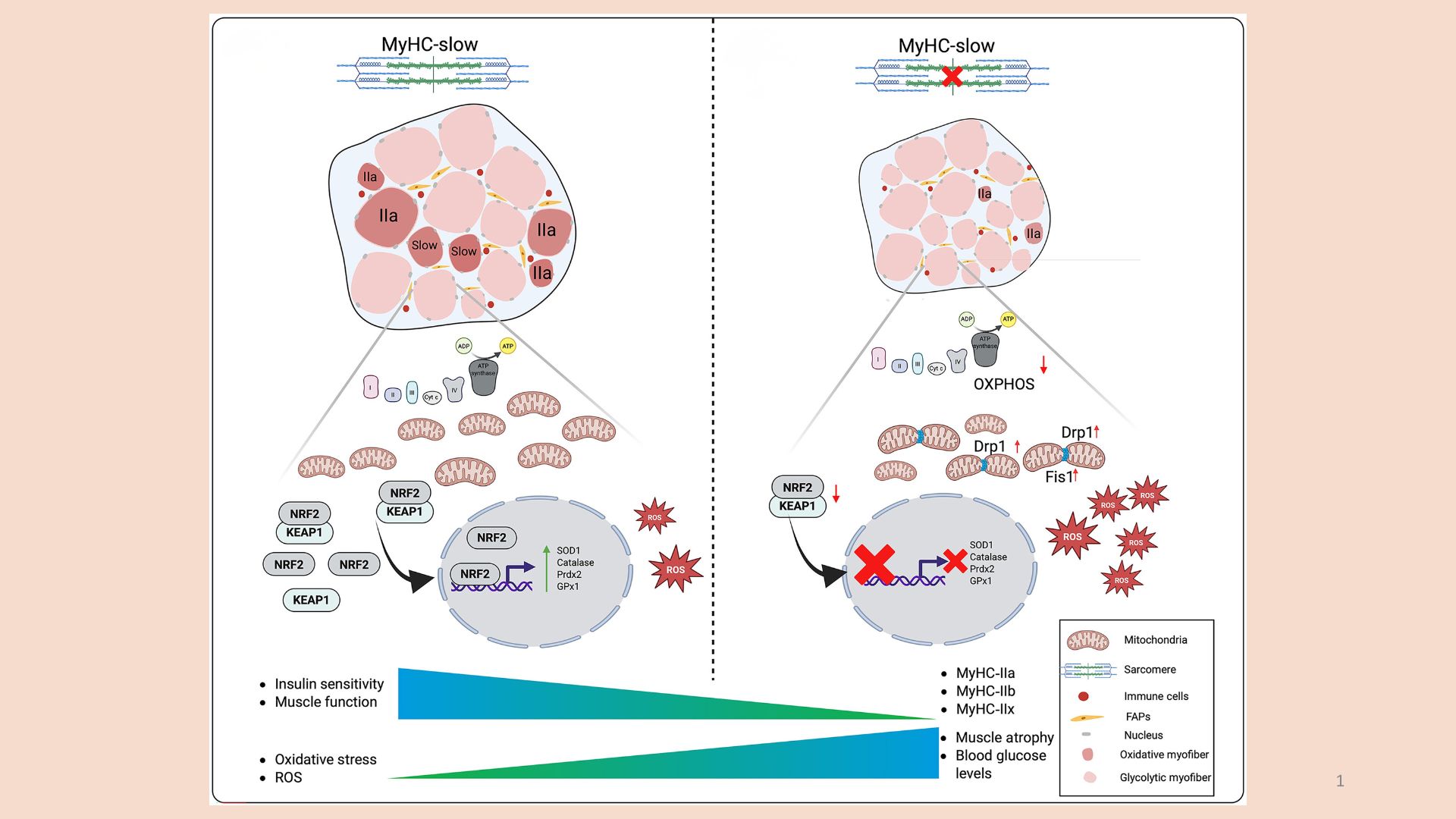
Skeletal muscles are composed of different fibre types: primarily fast-twitch fibres for quick bursts of energy and slow-twitch fibres for endurance. Slow-twitch fibres rely heavily on oxygen and are packed with mitochondria, the powerhouses of the cell. To understand the exact role of these slow fibres, the researchers genetically engineered mice to lack the Myh7 gene, which produces the vital slow myosin heavy chain protein. Without this protein, the mice experienced severe muscle weakness, muscle wasting, and a drastic drop in physical activity. More surprisingly, by six months of age, these mice developed classic symptoms of type 2 diabetes, including insulin resistance and elevated blood sugar levels.
To determine why a muscle defect caused diabetes, the team used mass spectrometry to analyse proteins in the affected muscles. They noticed a massive drop in nuclear factor erythroid 2-related factor 2 (NRF2), a protein that acts as a switch for the body's antioxidant defences. Without NRF2, the muscle cells suffered from severe oxidative stress, and their mitochondria became damaged. This essentially poisoned the cells' ability to process glucose and respond to insulin.
Armed with this knowledge, the scientists tested a potential cure. They injected diabetic mice with sulforaphane, a naturally occurring chemical found in broccoli that activates the NRF2 pathway. Remarkably, this treatment reversed almost all the negative effects. The mice regained muscle strength, their mitochondria healed, and their blood sugar levels stabilised.
While doctors have long known that exercise and muscle health are tied to preventing obesity and diabetes, previous studies struggled to identify the exact molecular triggers. Past research noted that people with type 2 diabetes often have fewer slow-twitch muscle fibres, but it was unclear if this was a cause or a symptom of the disease. This study provides direct evidence that the loss of this specific slow-twitch muscle protein directly causes metabolic dysfunction, pinpointing the exact chemical pathway involved.
The researchers, however, note that the exact mechanical reason why losing the slow-twitch protein causes NRF2 antioxidant levels to plummet remains a hypothesis, likely related to how muscles sense physical stress and movement. Additionally, while treating the mice with sulforaphane before they developed diabetes was highly effective, administering the compound after the onset of diabetes only provided partial relief of their symptoms. Furthermore, the genetic correlation between mutations in this specific muscle gene and human diabetes remains largely unexplored, though the researchers note that early clinical data suggest a link may exist.
The research highlights the interconnectedness of our bodily systems, proving that healthy muscles are a frontline defence against metabolic disorders. By identifying the NRF2 pathway as a crucial link between muscle contraction and blood sugar regulation, this study opens the door for novel therapies. In the future, treatments targeting this specific pathway could provide a powerful new weapon in the global fight against type 2 diabetes and other metabolic diseases, potentially improving the quality of life for millions of people worldwide.