Deep inside the damp limestone caves of Northeast India’s Indo-Burma biodiversity hotspot, researchers have discovered two new species of miniature, cave-dwelling micro-snails. Published in the European Journal of Taxonomy, the study by scientists Nipu Kumar Das and Neelavar Ananthram Aravind from the Ashoka Trust for Research in Ecology and the Environment (ATREE) identifies Georissa meghalayaensis and Acmella bensoni within the Krem Puri and Arwah cave systems of Meghalaya. These tiny, semi-transparent and vividly coloured molluscs highlight the region's rich, yet fragile subterranean biodiversity, which experts warn is increasingly threatened by heavy cave tourism.
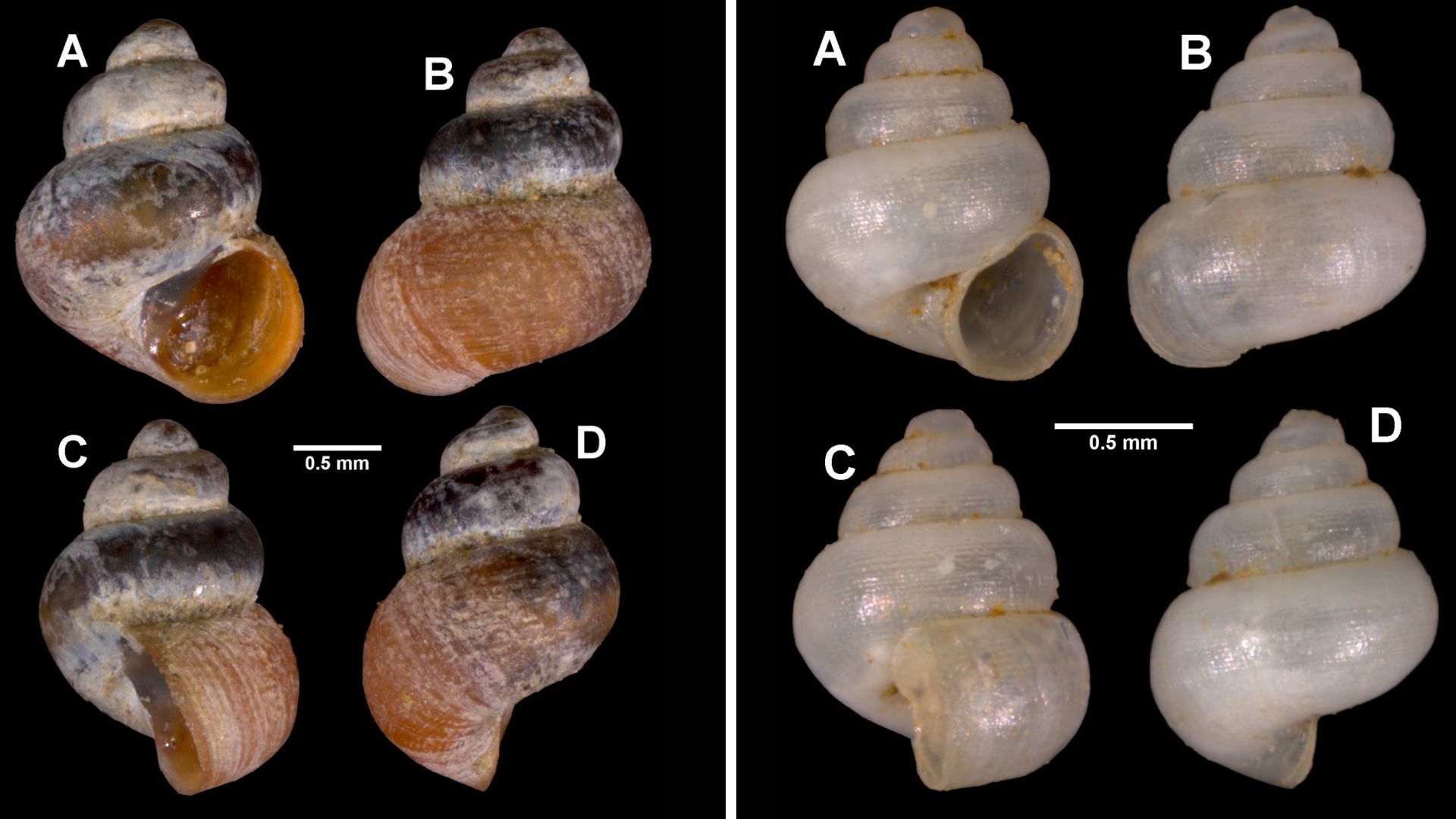
These newly discovered molluscs are so small that they are easily missed by the naked eye, but under a microscope, their unique evolutionary features shine. Georissa meghalayaensis, discovered at the edge of the Krem Puri cave entrance, stands out from its closest relatives thanks to its striking orangish-red colour and a highly detailed, mesh-like pattern of ridges covering its tiny shell. In contrast, its closest known snail cousins typically sport yellowish shells with sharp, widely spaced spiral lines. The researchers named this distinct new species meghalayaensis as a direct nod to the Indian state of Meghalaya, which serves as its exclusive home.
The second discovery, Acmella bensoni, was found clinging to walls deeper inside both the Krem Puri and Arwah caves. This species distinguishes itself from similar snails by having a smaller, slightly transparent, whitish shell. It features deeply impressed grooves between the shell's spirals (whorls) and an incredibly fine, densely packed pattern of tiny ribs that make the shell appear almost smooth. The researchers named this shiny little snail in honour of William H. Benson, a legendary 19th-century scientist celebrated as the pioneer of Indian Malacology, the study of molluscs.
Northeast India is part of the Indo-Burma biodiversity hotspot, an area where the wildlife of Southeast Asia, China, and mainland India brilliantly collide. Despite the region boasting more than 1,200 calcium-rich limestone caves, the perfect environment for shell-growing snails, the tiny creatures living within them have remained largely unstudied. Alongside the two new species, the researchers also documented new regional records of other micro-snails in the neighbouring states of Manipur and Mizoram. However, the scientists warn that heavy tourist foot traffic, combined with artificial lighting and man-made staircases installed within popular caves, poses a potential threat to these delicate, newly discovered ecosystems.